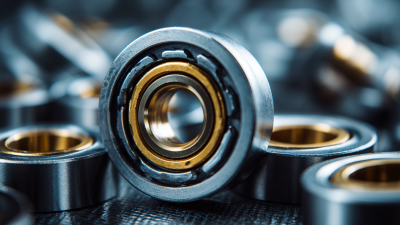
Bad Pinion Bearings might not sound like a big deal at first, but in reality, they’re apretty serious concern across different industries—especially in the automotive world. Why? Well, because they have a direct impact on how well your vehicle runs and, more importantly, on safety. Industry stats show that roughly 15% of all vehicle problems come down to bearing failures, and pinion bearings are a major culprit when it comes to drivetrain troubles. If these bearings aren’t properly maintained or installed, things can quickly spiral into mechanical disasters—leading to costly repairs and annoying downtime.
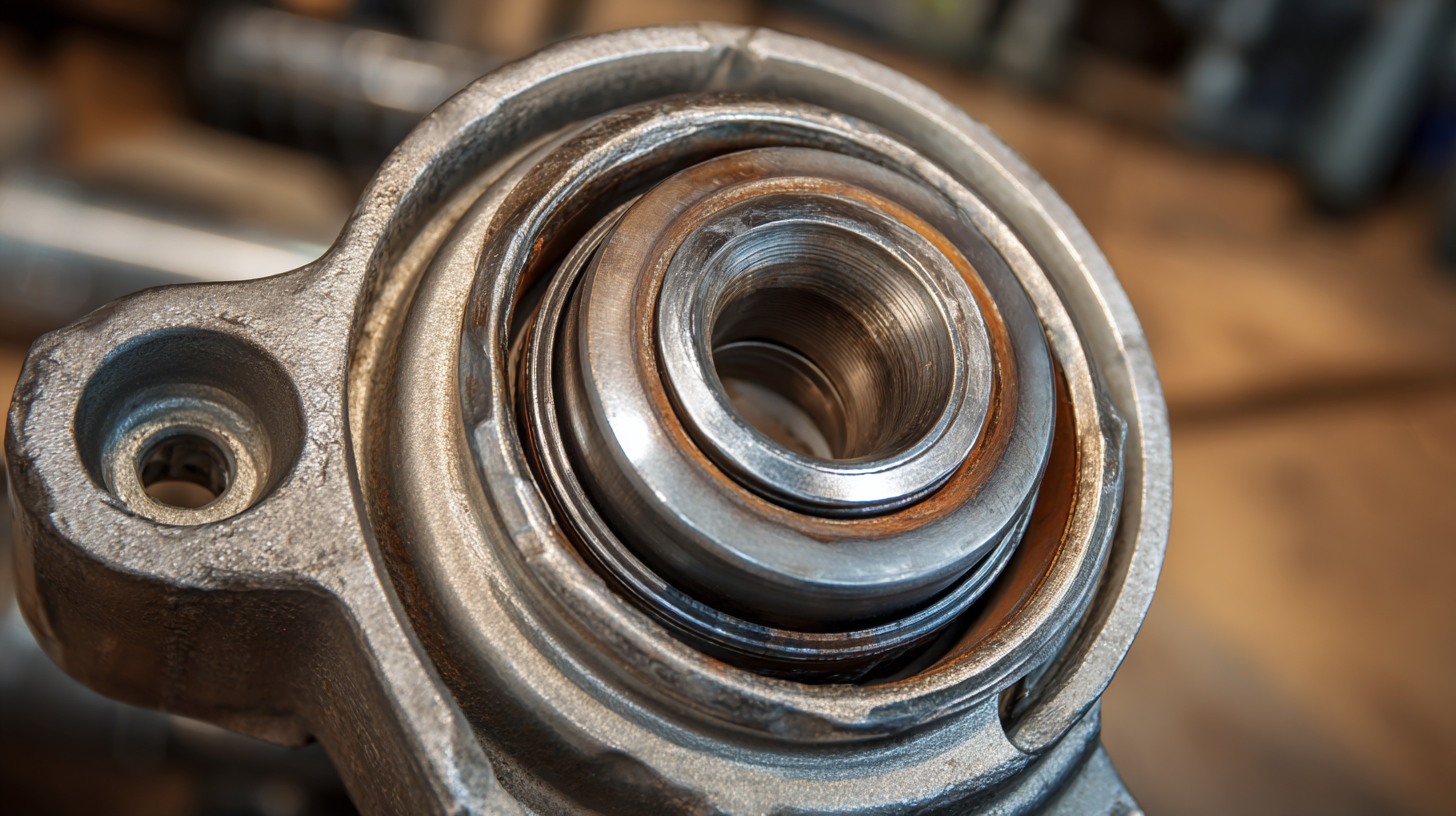
At WD Bearing Group, we totally get how vital high-quality bearings are for keeping vehicles running smoothly. That’s why we’re always investing in the latest machining tech and making sure our skilled team is on top of their game. Our goal? To deliver reliable solutions that help prevent issues caused by bad pinion bearings, no matter the industry—from material handling and agriculture to construction and beyond.
Signs of Bad Pinion Bearings: Key Indicators Every Driver Should Know
Taking care of your vehicle’s health means knowing the signs of bad pinion bearings—you know, those really important little parts that help your driveshaft and rear axle run smoothly. One of the biggest telltale signs is hearing a weird whining or grinding noise, especially when you’re speeding up or slowing down. Sometimes, this noise can get louder as you go faster, which usually means the bearings are either worn out or out of alignment. If you don’t deal with it sooner rather than later, it could lead to more serious damage.
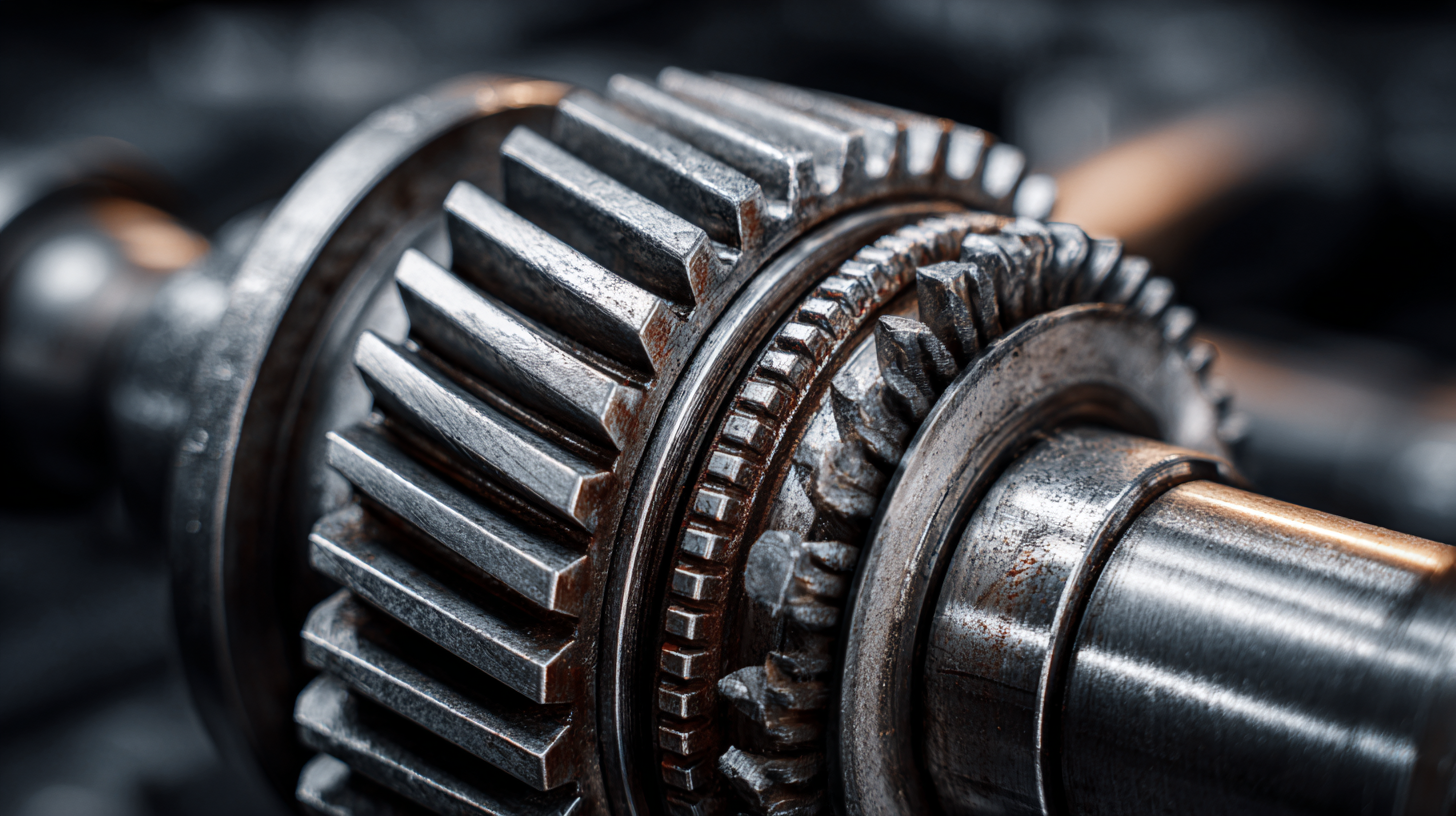
You might also notice your car vibrating or shaking a bit—particularly when you’re accelerating. That’s often a sign that the pinion bearings aren’t supporting the drive shaft properly, causing uneven movement. And hey, don’t ignore fluid leaks near the differential either. If you see any, it could mean the bearings have worn down enough to mess with the seals. Keep an eye on these signs, though—it helps you catch problems early on, keep your ride running smoothly, and save you from dropping a ton of cash on repairs down the line.
Common Causes of Pinion Bearing Failure: Understanding the Underlying Issues
Pinion bearing failure is one of those common car troubles that, honestly, can really mess with how your vehicle runs. There are a few main reasons behind it, and understanding these can make a big difference in keeping your ride in good shape. First off, one of the biggest culprits is not giving the bearings enough or clean enough lubrication. If the oil level drops or gets contaminated, it can cause so much friction and heat—leading to the bearings wearing out much faster than they should. That’s why regular check-ups and changing your oil on time are so important—they can save you a lot of headaches down the road.
Another biggie is misalignment. If the pinion gear isn’t lined up just right with the ring gear, it puts extra stress on those little bearings, and over time, they tend to fail. This can happen if the installation wasn’t quite right, some parts wore out, or if you’ve been in an accident. Catching these issues early with professional inspections can really help extend the life of your bearings. Oh, and overloading your vehicle—piling on too much weight—can speed up wear and tear, so it’s a good idea to stick to the recommended load limits from the manufacturer. All these little things add up when it comes to keeping your vehicle running smoothly for longer.
Understanding Bad Pinion Bearings: Signs, Causes, and Solutions for Your Vehicle's Health
| Sign of Failure | Possible Causes | Recommended Solutions |
| Unusual Noise | Worn bearings, lack of lubrication | Inspect bearings and replace if necessary; ensure proper lubrication |
| Vibration | Misalignment, damaged bearing | Check alignment and repair or replace bearing |
| Fluid Leaks | Worn seals, poor installation | Replace seals and check installation |
| Difficulty Turning | Bearing seizure, excessive wear | Inspect for damage; replace bearings |
| Increased Play in the Differential | Worn bearings, gear damage | Evaluate and replace bearings and gears as necessary |
The Impact of Bad Pinion Bearings on Vehicle Performance and Safety
Bad pinion bearings can really throw a wrench in your vehicle’s performance and safety. When these parts start to go bad, you’ll notice all sorts of problems — like loud noises, vibrations, and even your car feeling less responsive. It’s not just about comfort; ignoring these signs can lead to much bigger mechanical issues down the line. For example, if the pinion bearing is failing, it can throw off the alignment of your drivetrain, which might make your car accelerate or brake strangely.
On top of messing with how your car runs, faulty pinion bearings are definitely a safety concern. They could cause gears to fail completely — and that’s when things get dangerous, especially if you’re driving fast or hauling a heavy load. Luckily, there are ways to handle this before things go sideways. Regular checks and upgrading to stronger differential parts can make a huge difference. Making sure you’ve got good quality components can help keep your vehicle running smoothly and keep you safe out on the road — protecting both you and everyone riding with you.
Impact of Bad Pinion Bearings on Vehicle Performance
Solutions for Damaged Pinion Bearings: Repair or Replacement Options Explained
When you're dealing with a damaged pinion bearing, it’s often a tricky spot—do you go for a repair or just replace the thing? According to the Automotive Maintenance and Repair Association (AMRA), about 20% of all vehicle maintenance costs are linked to issues with bearings. So, figuring out how bad the damage is really matters. If the bearing’s just got some minor wear and tear, a repair might do the trick. Things like reconditioning the bearing or installing a new one inside the existing housing can bring things back to normal without breaking the bank.
But, if the damage is pretty serious, it’s usually smarter to replace the bearing altogether. The National Institute for Automotive Service Excellence (ASE) points out that ignoring a badly damaged pinion bearing can cause all sorts of headaches—gear misalignment, extra wear on other parts, and potentially more costly repairs down the line. Sure, replacing the pinion bearing upfront costs more, but in the long run, it’s usually worth it—saving you money on ongoing repairs and helping to prevent a major vehicle failure. The best thing to do? Chat with a certified mechanic who can check the damage and help figure out what’s really the best move for your car’s health.
Preventive Measures to Extend the Lifespan of Your Pinion Bearings
Taking care of your vehicle’s pinion bearings is pretty important if you want your car to last longer. These little parts might not get a lot of spotlight, but they’re key to keeping your drivetrain running smoothly. Regular check-ups can really make a difference—stuff like listening for weird noises or feeling strange vibrations could be signs that something’s up with your pinion bearings. Catching these issues early on means you can fix them before they turn into costly repairs. A little preventive maintenance can save you both time and money in the long run.
Plus, with all the cool tech and new designs coming out these days, your pinion bearings are getting some pretty awesome upgrades. For example, newer axles use lighter materials, making everything more efficient and durable. That kind of innovation doesn’t just make your ride better—it also puts less stress on parts like the pinion bearings. And don’t forget about using good quality lubricants and sticking to the manufacturer’s service schedule. Keeping up with those simple steps helps your bearings stay in top shape, which means your car will stay reliable and perform better for longer.
Cost Analysis: Budgeting for Pinion Bearing Repairs and Maintenance
When you're thinking about the costs for pinion bearing repairs and upkeep, it’s really important to get a feel for what you might be face-to-face with financially. From what industry folks say, replacing a pinion bearing can run somewhere between $300 and $1,500, but of course, it depends on the make and model of your car—and what labor rates are like where you live. That big range is because it's not just about the parts; this job can be pretty involved since you often have to take apart a good chunk of the vehicle’s drivetrain just to get in there.
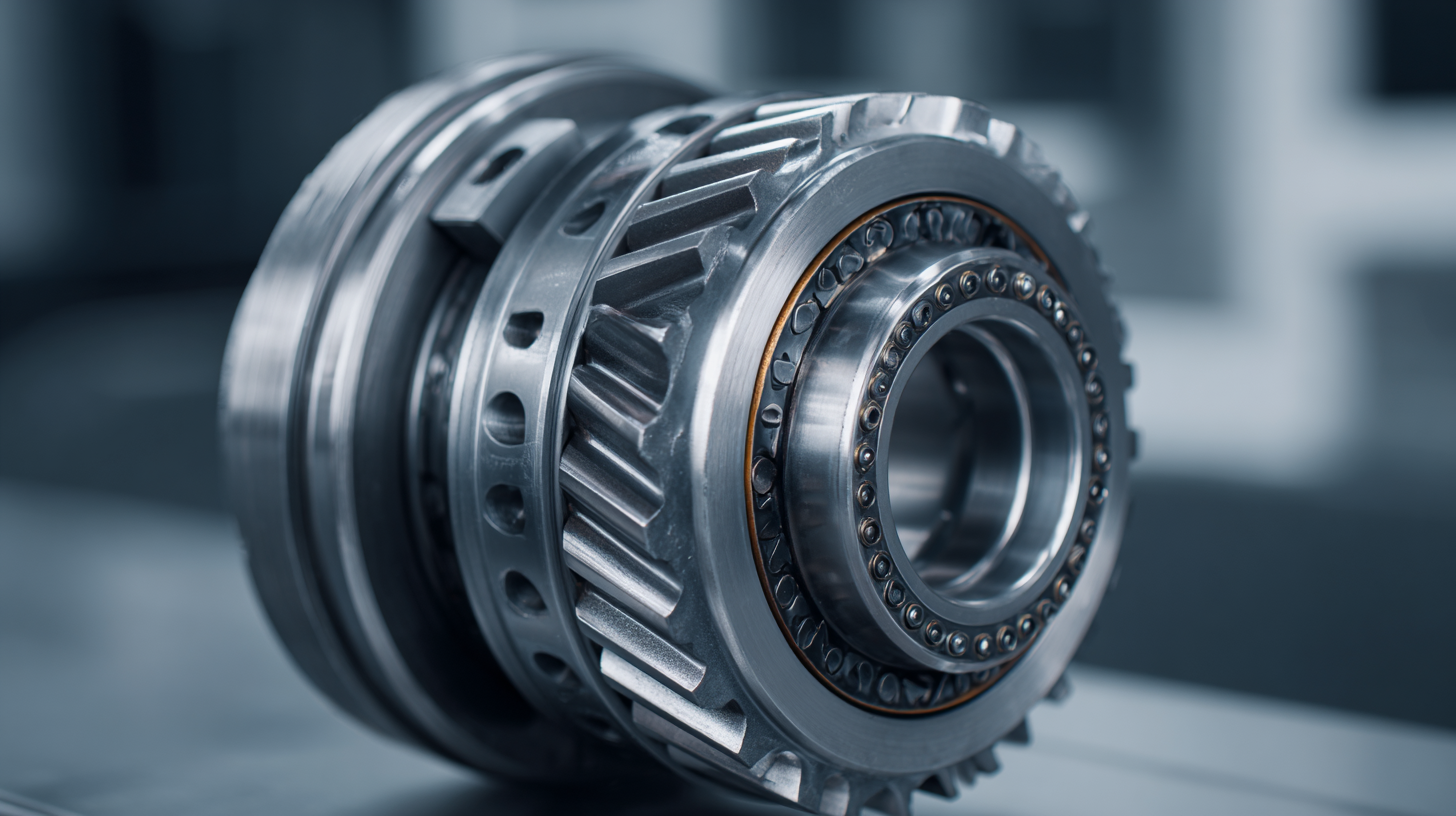
On the flip side, sticking to regular maintenance can save you a ton of money in the long run. Simple things like routine inspections and making sure everything’s properly lubricated can actually help extend the lifespan of your pinion bearing. That way, you might dodge those costly emergency repairs and instead spend maybe between $100 and $500 on preventive stuff. Also, don’t overlook quality lubricants—using good stuff can cut down on friction and wear, which means fewer repairs down the line and your vehicle staying healthier longer.
All in all, getting a handle on these costs really helps you make smarter decisions about your vehicle’s care. In the end, it’s all about protecting your ride’s performance and making sure it sticks around for a while!
FAQS
: Common signs of bad pinion bearings include excessive noise, vibrations, and inefficient power transfer, which can affect driving comfort and overall vehicle performance.
Bad pinion bearings pose a safety risk as they can lead to catastrophic gear failure, resulting in a loss of control while driving, especially at high speeds or under heavy loads.
Vehicle owners should conduct timely inspections and consider upgrades to more robust differential systems to mitigate risks associated with bad pinion bearings.
The average cost for replacing a pinion bearing can range from $300 to $1,500, depending on the vehicle make and model as well as local labor rates.
Regular maintenance, such as routine inspections and timely lubrication, can extend the life of pinion bearings and potentially save vehicle owners between $100 and $500 on preventive maintenance versus emergency repairs.
High-quality lubricants play a crucial role in reducing friction and wear on pinion bearings, which can lead to longer intervals between repairs and improved overall vehicle health.
Ignoring bad pinion bearings can lead to serious mechanical failures, including drivetrain misalignment, which negatively impacts vehicle acceleration and deceleration.
Repairing pinion bearings can be complex, often requiring significant disassembly of the vehicle's drivetrain, which contributes to the range of repair costs.
Yes, investing in high-quality components can help maintain optimal performance and enhance safety, ultimately safeguarding both the driver and passengers.
Preventative measures include regular inspections, timely lubrication, and investing in quality lubricants to help avoid costly repairs for pinion bearings.
Conclusion
Bad pinion bearings can really mess up your vehicle’s health, causing all sorts of performance problems and even safety concerns. You’ll want to watch out for telltale signs like weird noises, vibrations, or handling that feels off. It’s pretty important for folks to understand what causes these bearings to fail—things like not enough lubrication or just wear and tear over time. If you ignore these warning signs, it could lead to serious damage, which might end up costing you big time and compromise your safety.
When it’s time to fix a bad pinion bearing, you’ve got a couple of options—either repairs or sometimes a full replacement. The good news? Regular check-ups and making sure everything’s properly lubricated can really help things last longer. Plus, it’s a smart idea to set aside some budget for maintenance—you don’t wanna be caught off guard. Companies like WD Bearing Group produce top-quality bearings that serve various industries, so they’re a trusted name when it comes to tackling issues with pinion bearings. Ultimately, staying on top of these little things can keep your ride smooth and safe for the long haul.