You know, in the constantly changing world of industrial machinery, it’s really hard to overstate how important high-performance Hydraulic Pump Bearings are. With global markets growing and the push for smoother operations getting stronger, having reliable bearing solutions is key. They really help boost productivity and cut down on downtime. According to a report from MarketsandMarkets, the global bearing market is expected to hit a whopping $92.2 billion by 2025, and a big chunk of that is coming from the hydraulic sector.
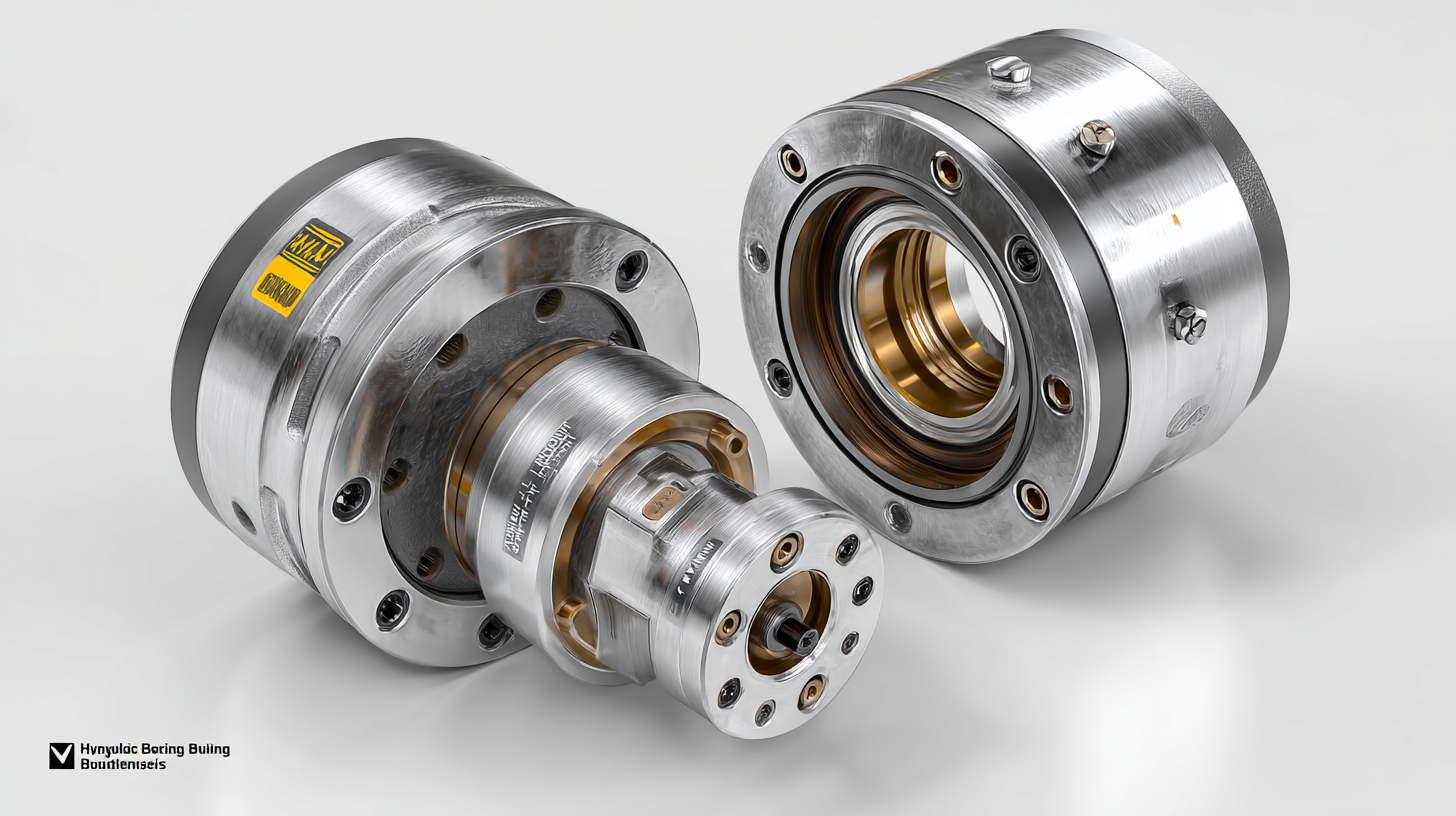
Then there’s WD Bearing Group. They’re a top-notch manufacturer that puts a lot of emphasis on quality. They supply bearings to original equipment manufacturers (OEMs) all over the place—think material handling, agriculture, and construction. By regularly putting money into advanced machining tech and having a team of super skilled pros, WD makes sure their Hydraulic Pump Bearings don’t just meet the industry standards, but really exceed them. That’s what keeps them a trusted ally in helping businesses run more efficiently all around the globe.
You know, hydraulic pump bearings play such a crucial role in how well hydraulic systems work. It’s pretty fascinating—recent studies have shown that these bearings face a ton of radial forces, which can end up causing noise and vibrations in the system. Plus, they can take on extra load, which isn’t ideal. There’s this report that points out how the performance of hydraulic piston pumps really hinges on the design and reliability of these bearings. To put it simply, if the shaft bearings fail due to fatigue, it can totally throw the system out of whack. That just goes to show how important they are for keeping everything running smoothly and efficiently.
Lately, integrating advanced technology and making sure we're testing performance regularly is becoming more and more crucial in the hydraulic game. A standout observation is that when designers focus on improving components—especially things like polymer gear systems and PTO gearboxes in heavy machinery—it really boosts both efficiency and durability. For instance, some research suggests that when you optimize a PTO gearbox properly, it can make a huge difference in how well energy transfers in hydraulic excavators. This doesn’t just ramp up productivity; it’s also great for sustainability in hydraulic fluid power systems. So, if we take these insights and apply them to hydraulic pump bearing developments, we could see some impressive progress in overall system performance and reliability.
| Bearing Type | Material | Load Capacity (kN) | Speed Rating (RPM) | Temperature Range (°C) | Lifespan (hours) |
|---|---|---|---|---|---|
| Single Row Ball Bearing | Steel | 12.5 | 4500 | -20 to 100 | 30000 |
| Self-Aligning Ball Bearing | Chrome Steel | 15.0 | 4200 | -25 to 120 | 25000 |
| Tapered Roller Bearing | Alloy Steel | 20.0 | 3000 | -30 to 130 | 40000 |
| Spherical Roller Bearing | Bronze | 23.5 | 2800 | -40 to 150 | 45000 |
| Cylindrical Roller Bearing | Stainless Steel | 18.0 | 3600 | -20 to 125 | 38000 |
Hey there! So, have you noticed how the global market for hydraulic pump bearings is really taking off? It’s pretty impressive, mainly because companies across various industries are all about boosting their operational efficiency these days. A recent report from MarketsandMarkets predicts that this market will soar to around USD 1.8 billion by 2026, with a steady growth rate of about 5.2% during that time. This just shows how important quality bearings are when it comes to making machinery run smoother and cutting down on maintenance costs.
You know, good bearings don’t just help with hydraulic pumps; they actually play a huge part in how competitive businesses can be on a global scale. According to ResearchAndMarkets, having effective bearing solutions can ramp up operational reliability by nearly 30%! That’s a game changer, really, as it means less downtime and more productivity. It seems like sectors like automotive, construction, and energy are really stepping up their game, investing in top-notch hydraulic pump bearings to secure their place in the international market.
As manufacturers gear up to focus on innovation and quality, it’s becoming clear that choosing the right hydraulic pump bearings is a vital step towards getting that competitive edge we’re all striving for.
You know, the way we design hydraulic pump bearings has really evolved quite a bit lately. There have been some pretty exciting tech advancements that are boosting how efficiently they work in all sorts of industries. I read a report from Research and Markets the other day, and it says that the global hydraulic pump market is expected to hit a whopping $18.3 billion by 2026. A big part of that growth is thanks to all the improvements in bearing tech. We’re talking about new materials and coatings that really up the wear resistance and cut down on friction, which in turn means the bearings last longer. That's something we can all appreciate, right?
One cool thing that’s come out of this is the incorporation of smart tech into bearing designs. Imagine having sensors built right into hydraulic pump bearings that give you real-time updates on things like temperatures and lubrication levels. This move towards predictive maintenance has the potential to cut downtime by as much as 30%! That's a game changer for manufacturers looking to streamline their processes. Plus, there are also these new sealing mechanisms that do a great job of keeping contamination at bay, which is super important for keeping hydraulic systems running smoothly. Overall, these innovations aren't just boosting performance; they're also helping with sustainability since they lower energy consumption and improve efficiency across the board.
So, when you're looking into hydraulic pump bearings, one of the big things you’ve got to keep in mind is the difference between what's standard here in the U.S. and what you get globally. Over here, the American National Standards Institute, or ANSI for short, sets out some specific guidelines for how these pumps should perform. They really prioritize durability and energy efficiency, which is super important. There's this report from the Association of American Railroads that says, if you go with advanced bearings that meet these domestic standards, you could see an impressive boost of up to 20% in operational efficiency. That’s a game changer when you're trying to cut down on downtime in heavy machinery, right?
Now, flip the coin and you have global standards like those from the ISO – that's the International Organization for Standardization – and they really focus not just on performance but also on keeping things eco-friendly. Seriously, ISO standards require that bearings cut down on friction and heat so you’re not wasting energy. According to a recent market analysis, sticking to ISO standards can actually help cut energy usage by about 15% in hydraulic systems! It’s pretty clear that even though domestic and global standards might not be the same, they both ultimately aim to boost efficiency with better bearing technology. So, picking the right bearings for your specific situation can definitely make a big difference.
When it comes to picking the right bearings for hydraulic pumps, it's super important if you want to get the most out of your operations in all sorts of industrial settings. Here at WD Bearing Group, we're all about recognizing just how much the performance of hydraulic systems hinges on choosing high-quality bearings. We’ve got a ton of experience working with manufacturers in various fields like material handling, agriculture, construction—you name it! Our mission is to supply bearings that can really hold up under the tough demands that come with hydraulic pumps. We're seriously committed to investing in the latest machining equipment and using professional bearing software, which helps us craft products that are tailored to meet the unique needs of our clients.
Now, when you’re on the hunt for hydraulic pump bearings, you've gotta think about a few key factors—stuff like load capacity, speed, and even the environment in which the bearings will work. Getting the right kind can make a real difference, cutting down on friction and wear, which means longer-lasting parts and better overall efficiency. At WD, our dedicated team of skilled professionals is here to guide you through the whole process, helping you pick out the best bearings for your hydraulic systems. By making smart choices in bearing selection, industries can not only boost their performance but also minimize those annoying surprises of unexpected downtime.
: Hydraulic pump bearings are vital components that significantly influence the operational efficiency of hydraulic systems, enduring substantial radial forces which can lead to noise, vibrations, and performance degradation.
The fatigue failure of shaft bearings is a leading cause of abnormal system operations, which underscores their importance in maintaining system integrity and efficiency.
Domestic standards, such as those set by the ANSI, focus on durability and energy efficiency, whereas global standards like those from ISO emphasize performance along with environmental sustainability.
Advanced bearings that meet domestic standards can offer up to 20% improved operational efficiency, significantly reducing downtime in heavy machinery applications.
Compliance with ISO standards can lead to a 15% reduction in energy usage for hydraulic systems by minimizing friction and heat generation.
Selecting the right hydraulic pump bearings is crucial for maximizing operational efficiency, as the right bearings can significantly reduce friction and wear, leading to longer service life.
Factors to consider include load capacity, speed, and environmental conditions, all of which affect bearing performance.
WD Bearing Group provides expertise in bearing selection tailored to specific operational needs, investing in advanced machining and professional software to deliver high-quality products.
By making informed bearing selections, industries can achieve sustainable performance improvements and reduce the likelihood of unexpected downtime.
WD Bearing Group is committed to helping customers navigate their bearing choices to ensure optimal performance and meet the rigorous demands of hydraulic systems across various sectors.