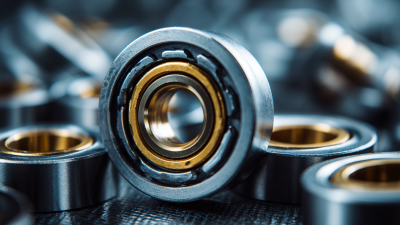
Hey there! In today’s super competitive manufacturing world, choosing the right bearings can really make a difference when it comes to how smoothly things run and the quality of the final product. Among all the options out there, Contact Ball Bearings have become quite popular across many industries—mainly because they’re precise, tough as nails, and super versatile. Did you know that experts say the global bearing market might hit around $85 billion by 2025? A lot of that growth is coming from sectors like material handling, farming, and construction. Companies like WD Bearing Group have really made a name for themselves in these areas. They keep investing in the latest machining tech and hire highly skilled workers, which helps ensure their Contact Ball Bearings are up to the job, meeting the tough standards OEMs (that's original equipment manufacturers) need across different industries. All of this really helps boost performance and reliability in today’s manufacturing processes. In this blog, I’ll dive into why Contact Ball Bearings are such a game-changer and why they’re pretty much essential for today’s manufacturers.
Advantages of Contact Ball Bearings: Elevating Precision in Modern Manufacturing
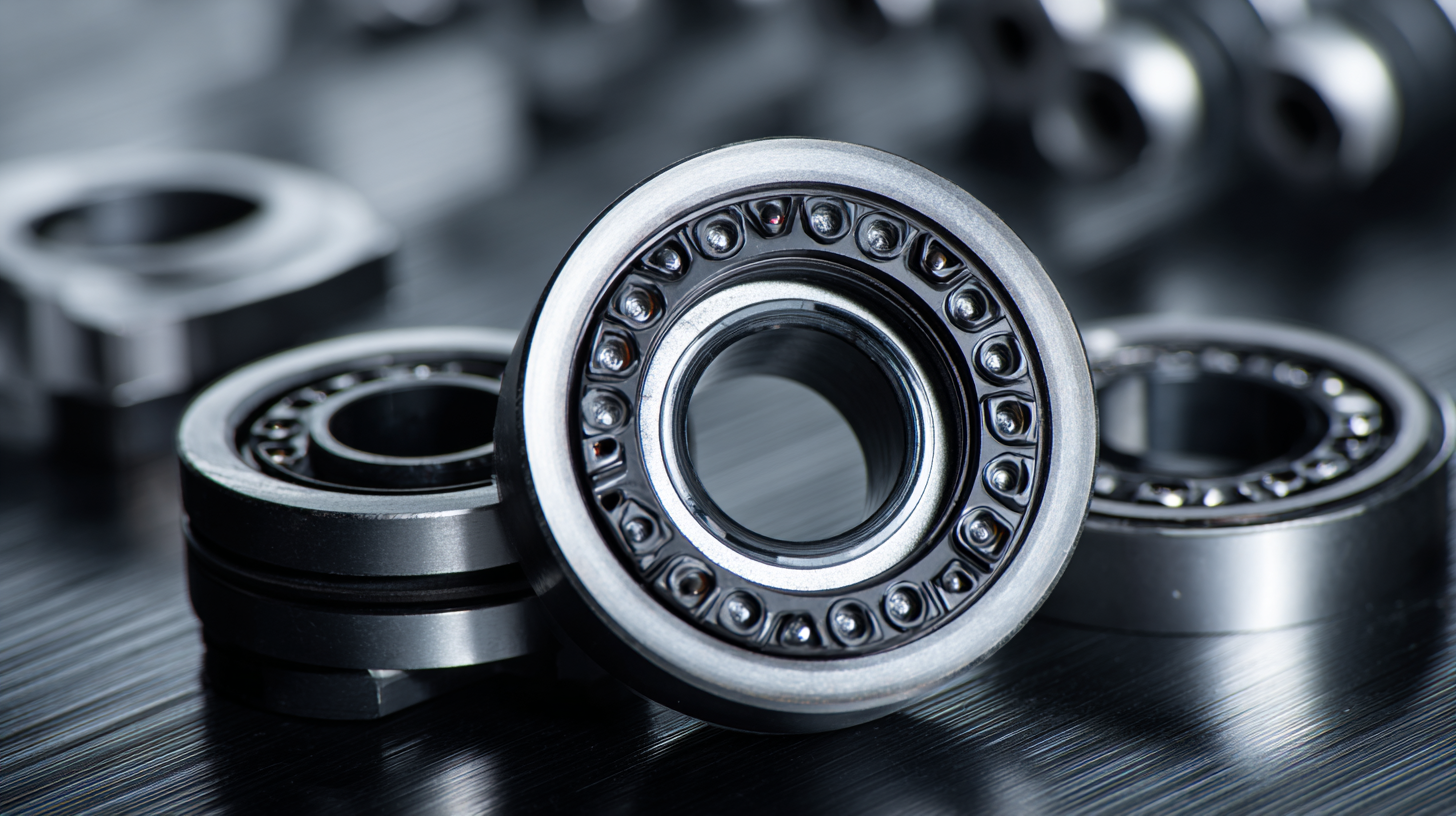
In today’s fast-moving manufacturing world, precision isn’t just a buzzword — it’s pretty much everything when it comes to staying competitive and keeping quality high. That’s where contact ball bearings come into the picture; they’re super important for really hitting those precision marks. These bearings are designed to support both radial and axial loads at the same time, which means they cut down on friction and make machinery run smoother and more efficiently. And let’s not forget, especially in high-speed setups, even a tiny misalignment can cause big performance hiccups, so these bearings are a real game-changer.
One of the coolest things about contact ball bearings is that they keep performing consistently, even after lots of use. Unlike some other types that struggle from heat or heavy loads—wearing down faster—these bearings are built to spread out the weight evenly across their surface. That not only helps them last longer but also means your equipment stays reliable, cutting down on downtime and maintenance costs. As manufacturing keeps shifting and demanding more precise components, having high-quality stuff like contact ball bearings isn’t just a nice-to-have — it’s pretty much essential for staying ahead and running smooth as can be.
Advantages of Contact Ball Bearings in Modern Manufacturing
The Role of Load Distribution in Enhancing Bearing Lifespan and Performance
In today’s manufacturing world, how well bearings perform and how long they last really matter if you want things to run smoothly. One big factor here is load distribution—getting it right can make a huge difference in how long your contact ball bearings stay in good shape and keep running reliably. When load is spread out effectively, it cuts down on those pesky hotspots and uneven wear, which means fewer surprises down the line. Lately, there’s been some pretty exciting progress, like the development of oil self-transporting biomimetic surfaces. These innovations are doing wonders for lubrication, especially in situations where oil is scarce, helping rolling bearings last way longer than before.
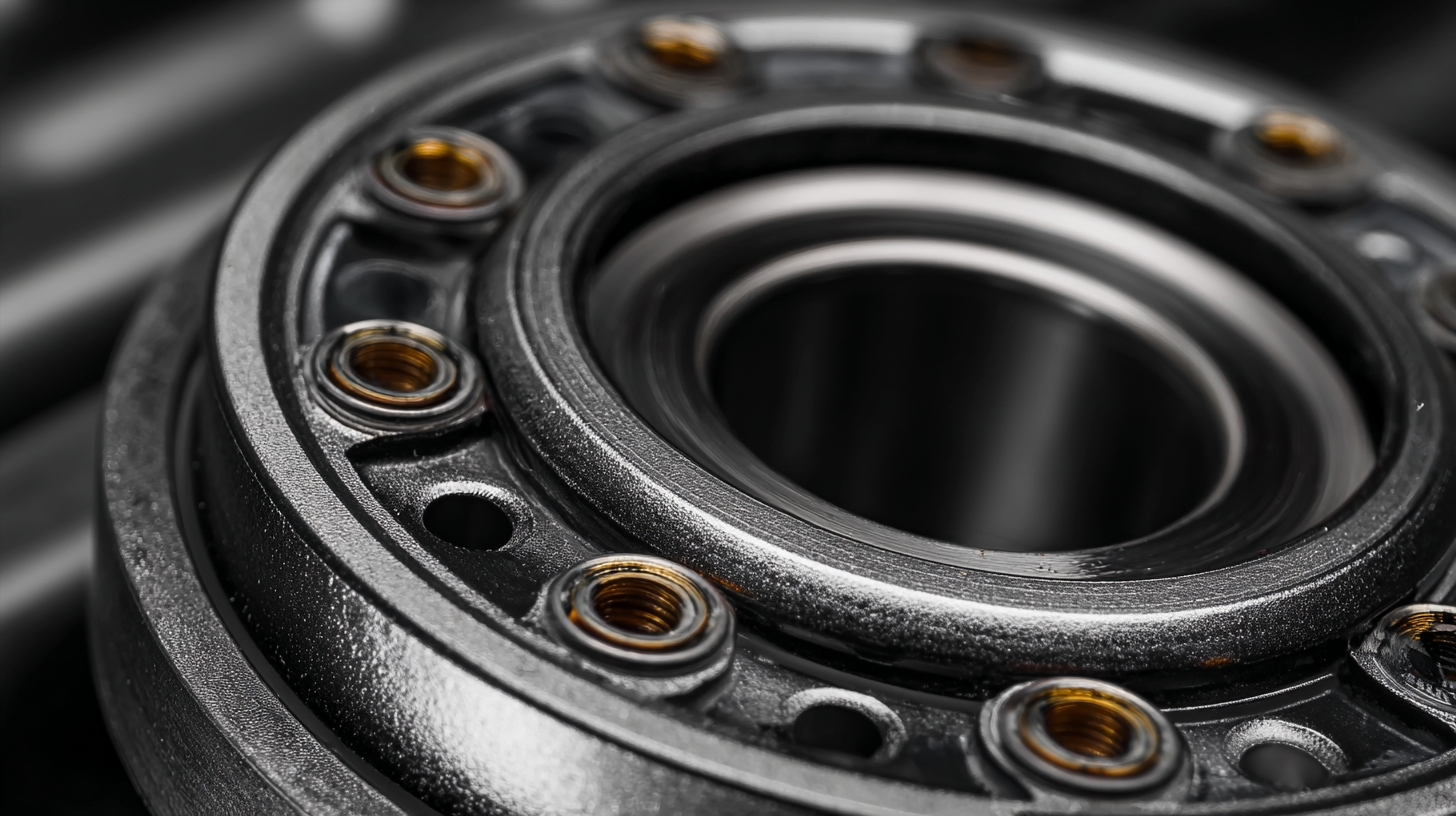
On top of that, understanding how bearings tend to fail is super important if you want to plan ahead. Take the L50 survival probability model for high-speed bearings, for example—it gives useful insights into how factors like temperature swings, load conditions, and speed affect their lifespan. These kinds of predictive tools help manufacturers stay one step ahead, allowing for smarter maintenance and better design choices so that bearings keep performing well under different conditions. By taking advantage of these new techniques and insights, manufacturers can streamline their processes, cut down on downtime, and boost overall productivity. It really highlights how crucial smart load management and innovative thinking are in modern bearing technology.
Impact of Material Selection on Durability and Efficiency of Contact Ball Bearings
When it comes to modern manufacturing, picking the right materials for contact ball bearings really makes a difference in how long they last and how well they perform. Using the right materials can boost efficiency—think less friction, less wear, and a longer lifespan for your bearings. Nowadays, folks are leaning towards high-performance materials like ceramics and specialized steel alloys because they offer better strength and can handle tough environmental conditions.
One thing to keep in mind if you're a manufacturer: always consider what your specific application needs. Things like the load your bearings will carry, temperature swings, or exposure to corrosive elements should definitely influence your choice. For example, ceramic bearings are great if your operation involves high temperatures or corrosive environments. On the other hand, steel bearings might be the way to go if you need something that handles heavy loads in more traditional setups.
Oh, and don’t forget about lubrication! Picking the right lubricant that suits both the material and your operating conditions can really make a difference—helping performance and cutting down on maintenance costs. Regular check-ups and maintenance are also key to keeping everything in tip-top shape, which means your bearings will last longer and your manufacturing process runs smoother.
Data-Driven Insights: Reducing Downtime with Best Contact Ball Bearings
In today's manufacturing world, how smoothly things run really depends on the parts you choose—especially contact ball bearings. Honestly, a report from the International Bearings Industry Association (IBIA) shows that up to 30% of machinery downtime can actually come down to bearing failures. That’s a pretty big deal, and it emphasizes just how critical it is to go for high-quality ball bearings that deliver top-notch performance and reliability. That way, you can cut down on those pesky operational hiccups.
Plus, a 2021 study from the National Institute of Standards and Technology (NIST) found that using the best contact ball bearings can bump up efficiency by around 20%. Thanks to newer materials and smarter designs, these bearings don’t just last longer—they also need less maintenance overall. This means manufacturers can better allocate their resources without constantly fixing or replacing parts. And because these bearings help reduce downtime, companies could see savings of up to 15% each year. All in all, they’re definitely a smart investment in the modern manufacturing game.
Energy Efficiency Gains: How Ball Bearings Contribute to Sustainable Manufacturing Practices
In today’s world of manufacturing, energy efficiency really matters, and ball bearings are totally a key part of making things more sustainable. The way contact ball bearings are designed and made can really cut down on friction, which means your machinery uses less energy. And let’s be honest, that’s good news — it helps lower operational costs and also shrinks the carbon footprint of the production process. For industries like farming, construction, and material handling—where equipment is running almost non-stop—using high-quality ball bearings can lead to pretty big energy savings over time.
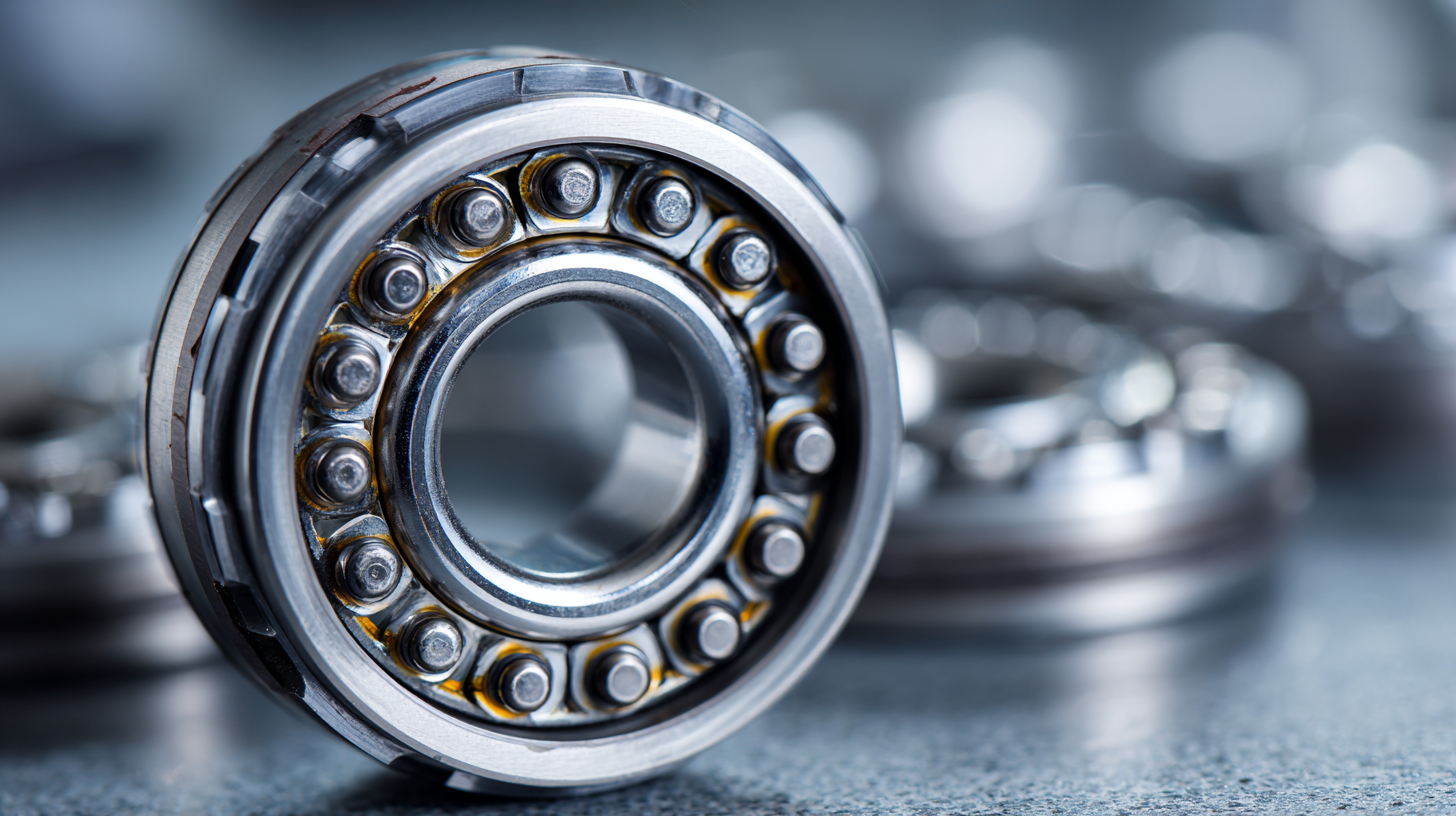
At WD Bearing Group, we get how important it is to invest in the latest machining gear and have skilled folks on board to make our bearings perform their best. Our products are built tough to handle tough conditions while still staying efficient, making them perfect for OEMs in various fields like pumps, gearboxes, and electric motors. By focusing on energy-efficient solutions, we're not just helping our clients operate smoothly — we’re also doing our part to support a more sustainable future in manufacturing.
Future Trends: Innovations in Contact Ball Bearings for Advanced Industrial Applications
The manufacturing world is going through some pretty big changes these days, all thanks to the never-ending push for better efficiency and performance. One of the standout innovations? Contact ball bearings—they're really stepping up beyond their usual roles and kicking off new, advanced industrial uses. A super exciting trend right now is adding smart tech into these bearings. Imagine being able to monitor their condition and performance in real time—that's a game changer! It means maintenance becomes smarter, machinery gets more reliable, and we’re seeing less downtime and lower costs overall.
On top of that, new materials are shaking things up. Think ceramic and hybrid bearings—that kind of stuff makes them lighter, tougher, and able to handle extreme environments. This is a big deal for industries that need high precision, like aerospace or renewable energy projects. As manufacturers start adopting these cutting-edge innovations, the future of contact ball bearings looks pretty bright. We’re talking about greater efficiency, better adaptability, and a lot more staying ahead in a world that’s only getting more complex.
Understanding the Advantages of Best Contact Ball Bearings in Modern Manufacturing
| Advantage | Description | Impact on Manufacturing | Future Trends |
| High Load Capacity | Designed to carry heavy loads while maintaining performance. | Increased efficiency in manufacturing processes. | Developments in materials to enhance load capacities. |
| Reduced Friction | Minimizes energy loss during operation. | Lower operating costs and energy requirements. | Advancements in lubrication technology for even lower friction. |
| Durability | Resistant to wear and tear over time. | Extended machine lifespan and reduced downtime. | Innovative coatings and treatments to enhance durability. |
| Versatility | Can be used in various applications across industries. | Adaptability to different manufacturing needs and environments. | Tailored designs for specific industry requirements. |
| Noise Reduction | Engineered to operate quietly. | Improved workplace environments for operators. | Integration of advanced engineering for sound dampening. |
Maximizing Efficiency with UC Series Insert Ball Bearings: The Ultimate Guide for Your Machinery Needs
When it comes to maximizing efficiency in machinery applications, the UC Series insert ball bearings stand out as a reliable choice. Designed for easy installation and alignment, these bearings are equipped with a spherical outer ring and a cylindrical inner bore secured with set screws. This allows for self-aligning capabilities, making them ideal for agricultural machinery, conveyors, and light industrial equipment. According to a recent industry report, nearly 30% of bearing failures can be attributed to misalignment, highlighting the importance of incorporating self-aligning bearings like the UC Series to ensure smooth operations and extend equipment lifespan.
The robust design of UC Series bearings allows them to handle significant radial and axial loads, providing high load capacity essential for heavy-duty applications. The bearings also feature optional surface treatments that enhance corrosion resistance, making them suitable for operation in humid or contaminated environments, as outlined by the latest findings from the International Journal of Advanced Manufacturing Technology. Furthermore, their straightforward screw-mounting system eliminates the need for complicated setups, streamlining maintenance procedures and ultimately reducing downtime and costs.
In today's competitive landscape, machinery efficiency is paramount. The cost-effective implementation of UC Series bearings not only enhances operational reliability but also mitigates replacement expenses significantly. Industry data indicates that utilizing high-quality bearings like the UC Series can lead to a reduction in manufacturing downtime by up to 40%, a statistic that underscores their value in promoting productivity and efficiency across various sectors.
FAQS
: Effective load distribution minimizes localized stress and wear, leading to improved reliability and enhanced longevity for contact ball bearings.
Advancements like oil self-transportation biomimetic surfaces optimize lubrication in oil-starved rolling bearings, significantly extending their service life.
Knowledge of different failure modes helps predict how factors like temperature, loading conditions, and operational speeds impact bearing longevity, enabling proactive maintenance.
The L50 survival probability model provides insights into the conditions affecting the lifespan of high-speed bearings.
The precision design of ball bearings reduces friction, leading to lower energy consumption and operational costs while minimizing the carbon footprint.
Industries such as agriculture, construction, and material handling can achieve substantial energy savings by using high-quality ball bearings.
WD invests in advanced machining equipment and employs skilled professionals to enhance the performance and efficiency of their bearings.
Energy-efficient solutions reduce operational costs and support sustainable manufacturing practices, contributing to a more sustainable future.
High-quality bearings are suitable for use in pumps, gearboxes, and electric motors, supporting the operational needs across various sectors.