When we talk about industrial mechanics, you can't ignore how important Ball Bearing Transmission systems are—they really help boost efficiency. These systems have been gaining a lot of ground lately, blending innovation with practicality in a pretty impressive way. Looking ahead to 2026, we’re starting to see some interesting trends shaping this technology.
Big players like SKF and Timken are really pushing the envelope with new designs and features. Their latest innovations focus on cutting down friction and handling heavier loads. That’s not just about making machines perform better, but also about helping them last longer. Of course, it’s not all smooth sailing—some manufacturers find the high cost of using advanced materials to be a real hurdle.
And, on top of that, sustainability is becoming a more critical concern. Companies are exploring eco-friendly materials and greener manufacturing methods. Still, figuring out how to balance top-notch performance with environmental responsibility isn’t always straightforward. All these trends are going to play a big role in shaping the future of transportation tech. The industry’s evolving, and staying flexible and knowledgeable is key to keeping up with these exciting changes.
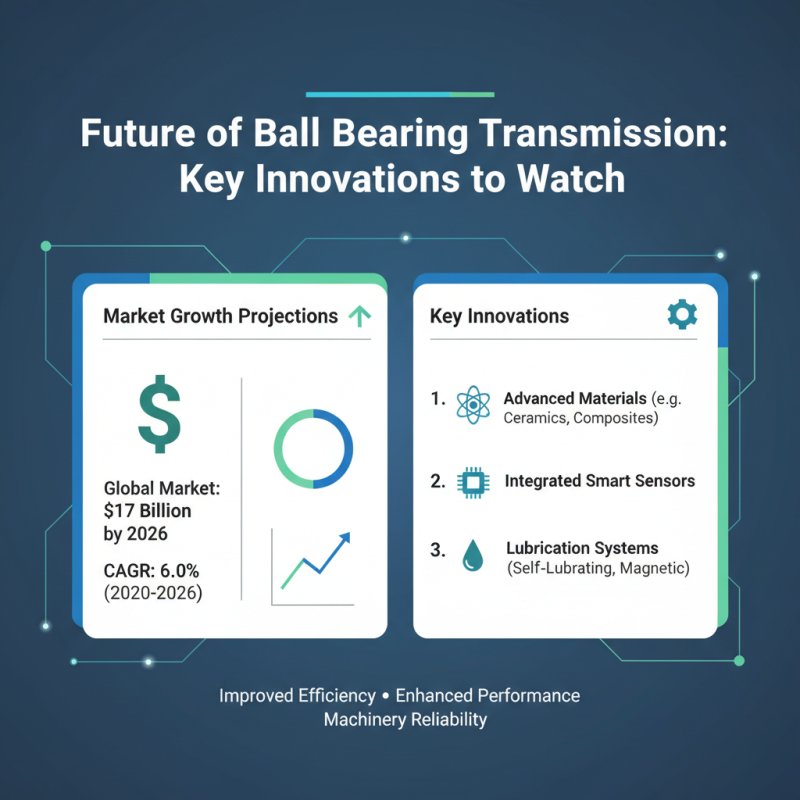
The future of Ball Bearing Transmission technology is set to witness significant innovations that promise improved efficiency and performance. According to a recent industry report, the global ball bearing market is projected to reach $17 billion by 2026, with a compound annual growth rate of 6.0%. This growth indicates a strong demand for advancedTransmission Bearings that can enhance machinery reliability across various applications.
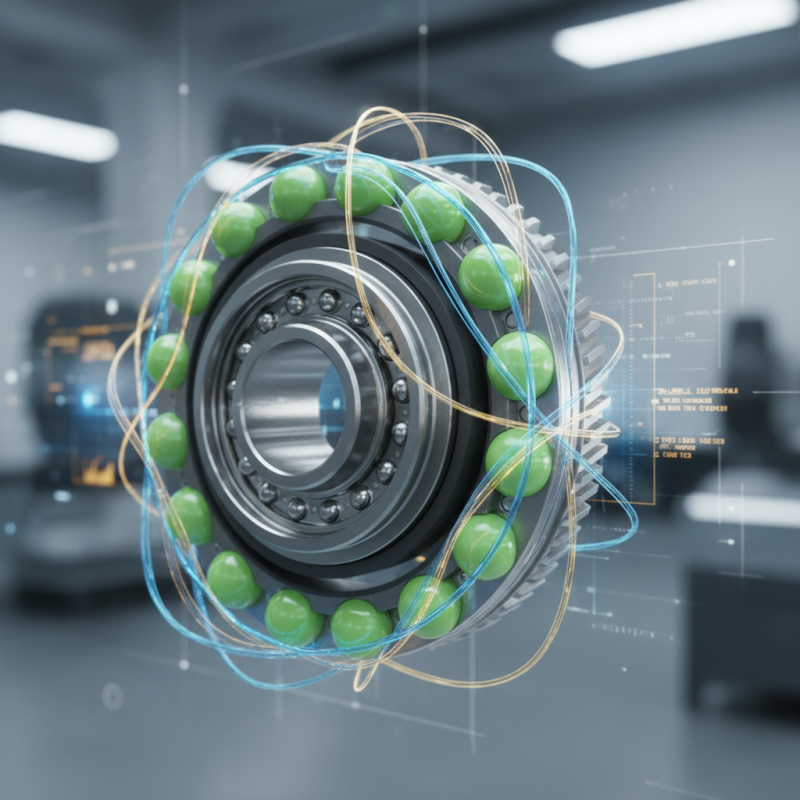
One key innovation is the integration of smart technologies into ball bearing systems. Sensors embedded in Transmission Bearings can monitor real-time performance, providing data on vibration and temperature. Such advancements can lead to predictive maintenance, reducing downtime. However, the challenge lies in the vulnerability of these sensors to environmental conditions. Engineers need to consider protective measures to ensure reliability.
Another trend involves the use of advanced materials in manufacturing transmission bearings. Hybrid constructions that combine ceramic and steel show promise in enhancing load capacity and reducing friction. Industry experts note, however, that optimizing manufacturing processes for these materials can be complex and costly. Continuous research and development will be essential to address these challenges effectively.
The advancement of materials in ball bearing technology plays a crucial role in enhancing performance. Modern bearings are increasingly made from advanced composites and engineered ceramics. These materials provide improved strength and reduce friction. As a result, they can support higher loads and operate efficiently at varying temperatures.
Furthermore, the introduction of hybrid bearings, which combine steel rings with ceramic balls, enhances durability. These hybrids have a lower coefficient of thermal expansion. Therefore, they maintain dimensional stability under extreme conditions. However, cost implications can be significant. Manufacturers might struggle to justify this expense in budget-sensitive applications.
While improvements in material technology are promising, challenges remain. Not every new material meets all operational requirements. Some high-performance materials may not be compatible with existing systems. Researchers must continue to balance innovation with practicality. This pursuit is essential for future breakthroughs in ball bearing transmission technology.
The integration of smart sensors into ball bearing systems is revolutionizing the engineering landscape. These sensors provide real-time data, enabling continuous monitoring of performance and health. This innovation enhances the reliability of machinery by detecting anomalies before they lead to failures.
Consider the role of vibration monitors in these systems. They track the oscillations of bearings, helping engineers identify wear and tear early. This proactive approach limits downtime and maintenance costs, a crucial aspect in competitive industries.
Tips: Regularly calibrate your sensors for accurate readings. Keep an eye on environmental factors like temperature and humidity that may affect performance. Monitoring data trends can provide insights into potential issues, making it easier to plan maintenance schedules.
As industries evolve, noise reduction and vibration control technologies become increasingly crucial. Ball bearing components play a vital role in this transformation. In 2026, experts anticipate enhanced designs focusing on sound dampening materials and vibration isolation techniques. These innovations aim to reduce the operational noise generated by machines in sectors like manufacturing and transportation.
The integration of smart sensors in Bearing And Transmission systems offers real-time monitoring capabilities. These sensors detect vibrations early, allowing for proactive maintenance. Mechanical engineers are rethinking designs to ensure optimal alignment and reduced friction. Yet, challenges remain. Balancing durability and noise reduction materials requires careful consideration. Adopting new technologies can incur costs that some companies may hesitate to embrace.
Understanding the physics of sound and vibration leads to better solutions. Advanced computational tools aid in simulating noise profiles, enabling better predictive models. However, constant adaptation is necessary. Industries face unique challenges, such as varying operational environments and material limitations. Addressing these issues will shape the future of Bearing And Transmission technologies.
In the quest for sustainability, ball bearing manufacturers are adopting innovative practices. Industry reports indicate that up to 40% of companies in this sector are implementing eco-friendly materials in their production processes. This shift reduces carbon footprints and promotes environmental responsibility. Sustainable practices can significantly lower energy consumption, which is a crucial factor in Bearing Power Transmission systems.
Research highlights that using recycled materials can not only shrink costs but also enhance product durability. Many manufacturers are exploring alternative lubricants that are less harmful to the environment. The transition to sustainable practices challenges traditional production methods. Some companies face backlash from stakeholders resistant to change.
Tips: Engage the workforce in sustainability efforts. This promotes commitment and innovation. Monitor your suppliers for compliance with sustainability standards. This ensures a responsible supply chain. Investing in training can boost awareness and creativity in developing sustainable solutions. The journey may not be perfect, but every step counts toward a greener future.
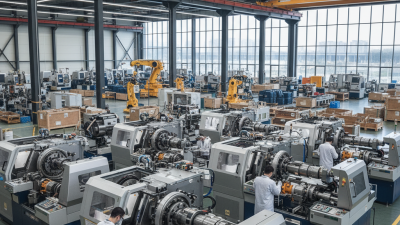
As the industry moves toward greater automation, ball bearing manufacturing is undergoing significant transformation. New automated techniques improve efficiency and precision in production. Recent reports indicate that automation can increase production rates by up to 30%. This trend is crucial in keeping up with rising demands in various sectors, including automotive and aerospace.
Automated systems utilize advanced robotics for assembly processes. These robots ensure consistency and reduce human error. In addition, machine learning algorithms optimize the manufacturing cycle, leading to minimal waste and lower costs. However, there are challenges. Transitioning to these technologies requires substantial investment and skilled personnel to manage sophisticated equipment.
Data from industry experts reveals that over 60% of manufacturers face difficulties in staff training for these automated systems. This gap can hinder potential returns on investment. Companies must focus not only on advanced machinery but also on comprehensive employee training. Balancing technology with human expertise remains essential as the industry evolves.
This chart illustrates the adoption rates of various trends in the ball bearing transmission technology sector for the year 2026. Notably, automation in manufacturing stands out with the highest adoption rate, indicating a significant shift towards more efficient production processes.
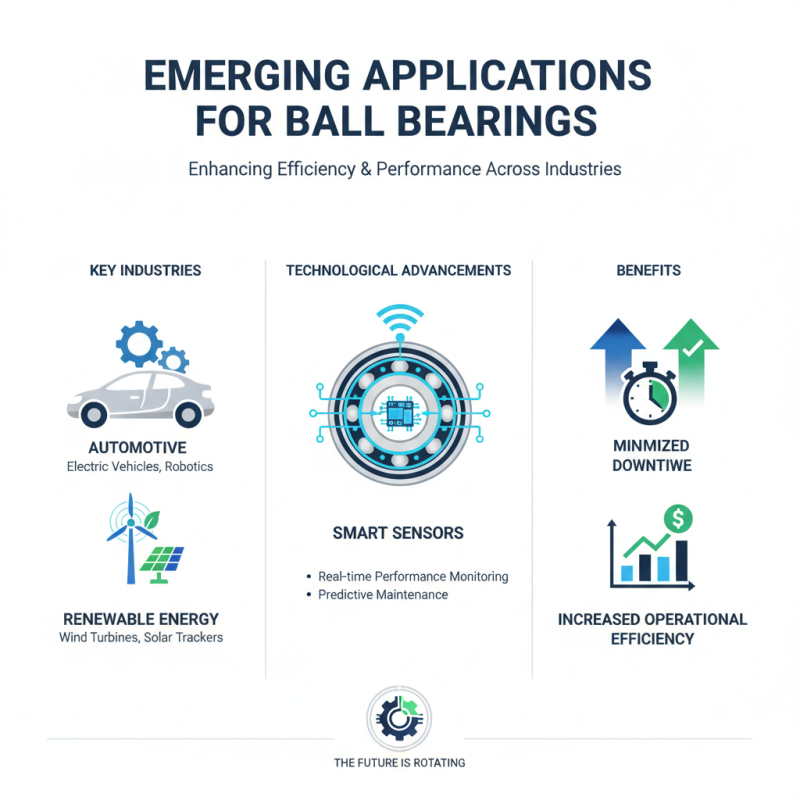
Ball bearings are pivotal in various industrial applications today. Their role in enhancing efficiency and performance is expanding. Industries such as automotive and renewable energy are increasingly adopting advanced ball bearing technologies. A notable trend is the integration of smart sensors within these bearings to monitor performance in real time. This innovation allows for predictive maintenance, minimizing unexpected downtimes.
The applications of ball bearings in electric vehicles are particularly noteworthy. An effective Transmission Shaft Bearing can significantly reduce friction and wear. This leads to improved energy efficiency in electric motors. Additionally, aerospace manufacturers are exploring lightweight bearing solutions. These innovations contribute to better fuel efficiency and lower emissions.
However, challenges remain. Not all manufacturers are equipped to implement these advanced bearings effectively. The lack of standardized processes can lead to inconsistent performance. Companies must invest in training and development to harness the full potential of these technologies. As industries evolve, the need for reliable and efficient ball bearing solutions will only grow.
The UC Series insert ball bearings are redefining efficiency in modern applications, particularly in industries such as agriculture, material handling, and light manufacturing. With their innovative self-aligning design, these bearings effectively compensate for shaft deflection and misalignment, significantly reducing the risk of premature wear. This feature is essential in settings where equipment operates under fluctuating conditions and requires robust solutions to maintain optimal performance.
Ease of installation is another standout characteristic of UC Series bearings. Their user-friendly design allows for quick mounting using set screws, eliminating the need for additional components and tools. This not only saves time during setup but also minimizes operational downtime, enabling smoother workflow processes across various applications. Furthermore, their high load capacity ensures reliable performance even under heavy-duty conditions, making them suitable for demanding environments.
Additionally, the corrosion resistance offered by optional surface treatments enhances the durability of UC Series bearings in humid or contaminated settings. By preventing deterioration, these bearings maintain their functionality over extended periods, streamlining maintenance and reducing overall replacement costs. This combination of features makes UC Series insert ball bearings a smart choice for businesses looking to optimize performance and reduce maintenance efforts, ultimately driving productivity in their operations.
: Modern ball bearings often use advanced composites and engineered ceramics.
Hybrid bearings combine steel rings with ceramic balls for enhanced durability and low thermal expansion.
Not all new materials meet operational needs or work with current systems.
Smart sensors enable real-time monitoring, detecting issues before they escalate into failures.
Vibration monitors track oscillations, helping identify wear and tear early.
They can use eco-friendly materials and engage workers in sustainability efforts.
Recycling reduces costs and can enhance the durability of products.
Regular calibration is essential for accurate readings in varying environmental conditions.
Stakeholders accustomed to traditional methods might oppose changes to existing practices.
Monitoring suppliers for compliance with sustainability standards is crucial.
The article "2026 Top Trends in Ball Bearing Transmission Technology" explores the future landscape of ball bearing transmission, highlighting key innovations that are set to reshape the industry. With advancements in materials enhancing bearing performance, manufacturers are focusing on integrating smart sensors into ball bearing systems for improved monitoring and efficiency. Furthermore, trends in noise reduction and vibration control technologies are becoming increasingly important, alongside the adoption of sustainability practices in the manufacturing process.
Automated manufacturing techniques are revolutionizing the production of ball bearings, leading to greater precision and reduced costs. Additionally, the article delves into emerging applications for ball bearings across various industries, underscoring their versatility and essential role in modern machinery. As these trends evolve, ball bearing transmission technology is poised to become more efficient, sustainable, and integral to innovation across multiple sectors.