When it comes to industrial machinery, the Ball Bearing Hydraulic Press really stands out as a go-to tool. A lot of manufacturers around the world are on the lookout for the best options out there. This press is known for being reliable and efficient, making it a solid choice for all sorts of tasks—whether you're pressing, forming, or shaping materials.
But honestly, choosing the right hydraulic press isn't always straightforward. Buyers often find themselves overwhelmed by the number of options and features available. It’s super important to stay up-to-date with the latest models because that info can really help you make smarter decisions. Pay attention to things like strength, durability, and how easy it is to maintain. Not all brands are created equal, even if they seem similar at first glance.
Doing a bit of homework on reputable brands is definitely worth it. Companies like Hydraulic Solutions Inc. and Precision Press Tools have built solid reputations, but I’d still recommend doing your own research before buying. The right press can seriously boost your productivity and set you up for long-term success. With so many choices out there, taking a careful, informed approach is the best way to get the results you want—trust me, it pays off in the end.
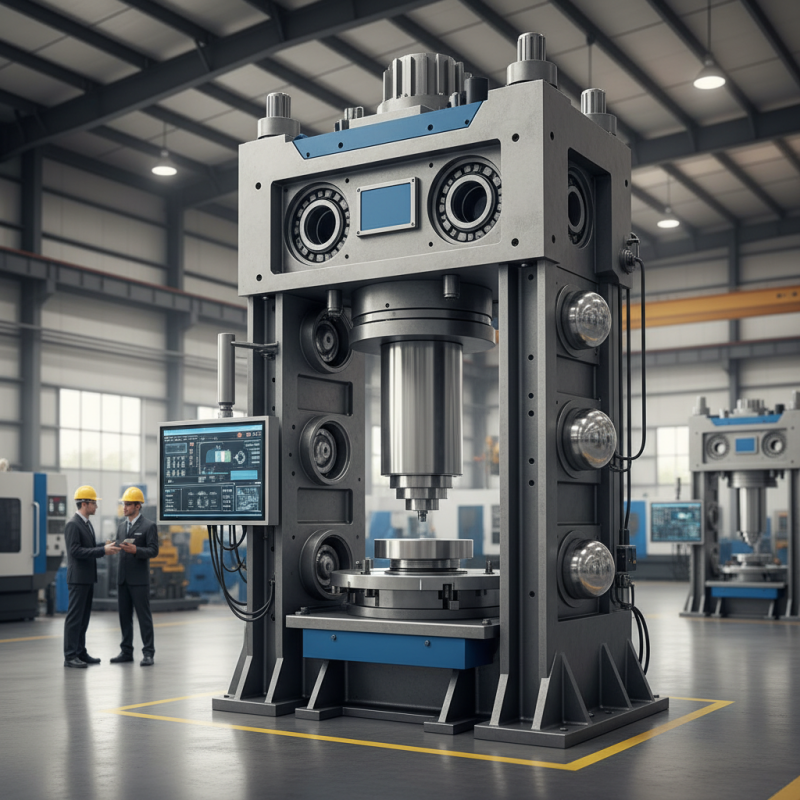
2026 Trends in Ball Bearing Hydraulic Press Technology
The Ball Bearing Hydraulic Press market is evolving rapidly. In 2026, major trends are set to redefine how these machines operate. Enhanced energy efficiency is a primary focus. Manufacturers are increasingly incorporating advanced technologies to minimize energy waste, which benefits both the environment and operators’ budgets.
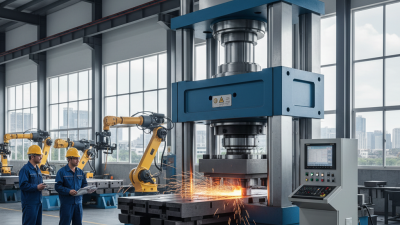
Moreover, automation is becoming integral in the design of hydraulic presses. Smart technologies enable real-time monitoring and adjustments. This innovation leads to higher precision and reduced operational downtime. While this shift could increase initial costs, the long-term benefits are significant. It opens up avenues for higher productivity and reliability.
However, the transition isn't without challenges. Many users need more training to adapt to new technologies. Some also question the durability of automated systems compared to traditional methods. Addressing these concerns will be key for widespread adoption. As the industry moves forward, balancing innovation with practicality will be crucial for success.
Key Features of Top Ball Bearing Hydraulic Press Models
When considering the best ball bearing hydraulic press for global buyers, several key features stand out. Efficiency is paramount, and many top models provide high-speed operation while maintaining precision. This balance is essential for professionals who need reliable equipment for consistent performance. The Hydraulic Pump Bearing ensures smooth functionality, minimizing friction and wear over time.
Users often look for durability in press machinery. Quality construction materials help withstand heavy use. Observing user reviews can be helpful. Many buyers emphasize the importance of stability. A stable press enhances safety and effectiveness.
Another aspect is the ease of maintenance. Some models come with user-friendly designs. This aspect can be overlooked, but it can significantly reduce downtime. Many press operators note the importance of clear instruction manuals. Despite modern advancements, some models still require trial and error. This reality highlights the need for continuous improvement.
Comparative Analysis of Leading Brands in 2026
When considering the purchase of a hydraulic press, understanding the comparative analysis of leading brands can make a difference. Various models dominate the market in 2026, each offering unique features. It's essential to identify the specifications that align with your needs. Pay attention to the capacity, pressure range, and build quality. Often, users overlook the importance of these factors, which can affect long-term performance.
Tips: If you're new to hydraulic equipment, look for user reviews to gain insights into real-world performance. Seeking input from experienced users can illuminate potential weaknesses or benefits of specific models. Additionally, consider how easy it is to find replacement parts and support services.
Examining features like pump type is crucial. Some brands focus on efficiency, while others prioritize speed. It's important to evaluate your workflow needs before making a choice. A good Hydraulic Bearing Puller Machine should enhance productivity and meet operational requirements. You might discover that certain models excel in specific applications, revealing strengths and weaknesses suitable for different industries. Don’t ignore the warranty clauses; they are often indicative of a company’s confidence in its product.
Understanding the Global Demand for Hydraulic Presses
The demand for hydraulic presses is steadily rising on a global scale. According to recent industry reports, the market is expected to grow at a CAGR of 5.6% from 2023 to 2028. This trend is driven by advances in manufacturing technologies and increasing automation in various sectors. Trade publications note that the automotive, aerospace, and metalworking industries are significant contributors to this expanding market. Notably, the demand for energy-efficient hydraulic presses is on the rise, influenced by sustainability trends.
Tips: When considering hydraulic presses, assess energy consumption and efficiency. Look for presses with advanced control systems that optimize energy use. Understanding specific needs can lead to better purchasing decisions.
Technical developments play a crucial role in shaping market dynamics. The integration of smart technologies allows real-time monitoring and improved performance. However, there are challenges, such as maintenance and compatibility with existing infrastructure. Buyers must be aware that not all models offer the latest features, leading to possible inefficiencies. It is essential to evaluate both performance capabilities and long-term operational costs when making a choice.
Tips: Research industry trends to stay informed. Engaging with professionals through forums can provide valuable insights. Consider potential upgrades for existing presses to enhance functionality without a complete overhaul.
Factors Influencing the Selection of Hydraulic Presses
When selecting a hydraulic press, several factors come into play. The type of material being processed influences the requirements for pressure, stroke length, and speed. A press designed for metal may differ significantly from one used for plastics. Buyers often overlook the importance of flexibility in a machine. A highly specialized press could limit future usability, which might lead to regret later on.
Another crucial aspect is the size and configuration. Larger presses can handle more significant loads but may require more floor space. Compact designs are becoming popular, particularly for workshops with limitations. The weight of the Hydraulic Cam Follower also matters; these components must be durable and reliable for efficient operation. It's vital to assess whether your choice can withstand daily demands.
Furthermore, user support cannot be ignored. A relationship with manufacturers or suppliers can ensure easy access to parts and troubleshooting. Sometimes, buyers may focus on price alone. While cost is essential, it should not overshadow the functionality and quality of the press. Reflecting on these factors can lead to a more informed decision, ultimately avoiding costly mistakes.
2026 Top Ball Bearing Hydraulic Press for Global Buyers
| Model | Capacity (Ton) | Stroke Length (mm) | Pump Type | Weight (kg) | Price ($) |
| HB-50 | 50 | 200 | Manual | 300 | 1500 |
| HB-100 | 100 | 250 | Electric | 500 | 2500 |
| HB-150 | 150 | 300 | Hydraulic | 700 | 3500 |
| HB-200 | 200 | 350 | Electric | 900 | 5000 |
| HB-300 | 300 | 400 | Hydraulic | 1200 | 7500 |
Cost Considerations for Buyers of Hydraulic Press Equipment
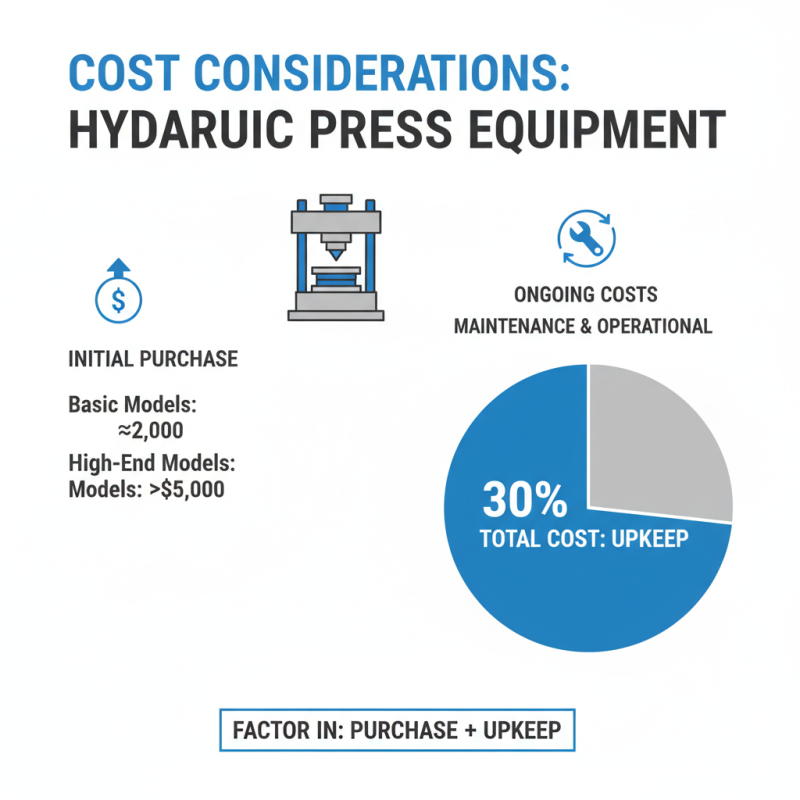
When considering the purchase of a hydraulic press, cost is a major factor. Hydraulic presses vary widely in price, with some basic models starting at around $2,000. Higher-end models can exceed $50,000. Buyers must factor in not just the initial purchase but also maintenance and operational costs. According to a recent industry report, nearly 30% of total costs can come from ongoing upkeep.
Tips: Always calculate long-term expenses before buying. Sometimes the cheapest option isn't the best choice.
Another consideration is the technology used in the press. The integration of Cnc Ball Bearing systems can enhance performance and reliability. These systems can improve precision and lead to better results in your projects. However, this added technology may increase upfront costs by up to 15%.
Tips: Evaluate your production needs; sometimes, a simple model suffices.
Understanding your specific needs is essential. The type of materials processed and the expected load capacities affect the choice of equipment. Ensure the hydraulic press meets your production demands without overspending.
Future Innovations in Hydraulic Press Design and Functionality
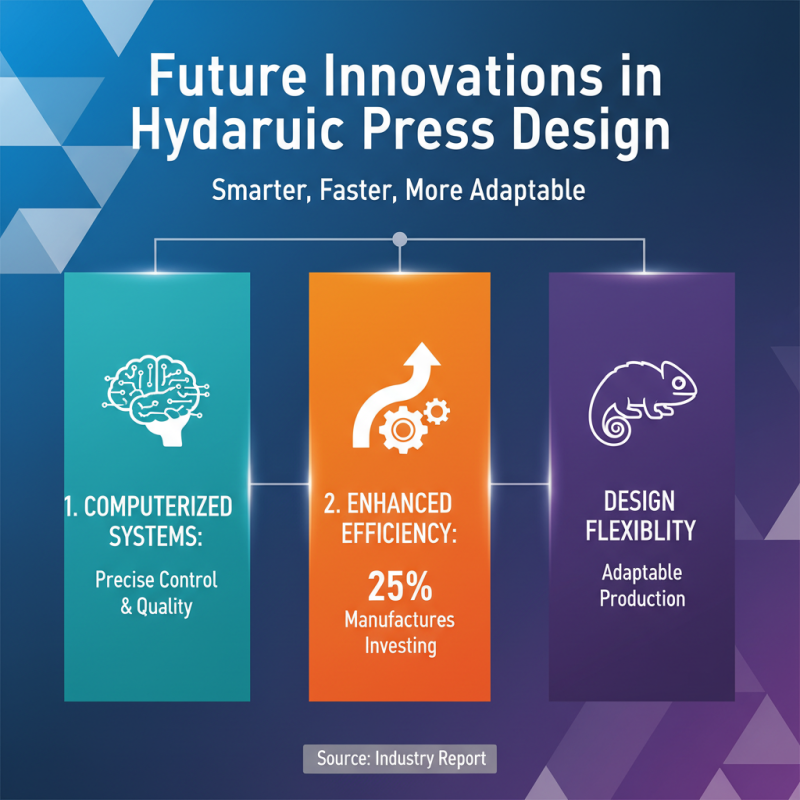
The hydraulic press market is evolving rapidly, with innovative designs reshaping functionality. Future presses will prioritize efficiency and flexibility. For instance, a recent report highlighted that nearly 25% of manufacturers are investing in computerized hydraulic systems. This upgrade allows for precise control, enhancing production value.
New materials are also influencing this evolution. Lightweight alloys and composites reduce the overall weight of presses while maintaining strength. Enhanced durability is crucial for high-demand settings. According to industry data, presses made from advanced materials can withstand pressures exceeding 1,500 psi, significantly improving their lifespan.
Despite these advancements, challenges remain. Implementing new technologies requires skilled personnel. An increased training demand could strain resources. Furthermore, ensuring compatibility with existing systems can be complex. Evaluating these factors is essential for future-proofing hydraulic press designs.
Optimizing Performance and Longevity: A Comprehensive Guide to UC Series Insert Ball Bearings
UC Series insert ball bearings are expertly designed to optimize performance and longevity across a wide array of applications. Their self-aligning design addresses the common challenges of shaft deflection and misalignment, which are frequent culprits of premature wear. This feature ensures smooth operation even in demanding conditions, making them an ideal choice for agricultural machinery, conveyors, and various light industrial equipment.
Installation is simplified with the use of set screws, allowing for quick and easy mounting without the need for additional components. This ease of installation significantly streamlines maintenance procedures, contributing to reduced downtime and lower replacement costs over time. Furthermore, the robust structure of UC Series bearings is capable of withstanding both radial and axial loads, accommodating the high load capacities required in heavy-duty applications.
In harsh environments, the corrosion resistance offered by optional surface treatments, such as galvanizing or blackening, enhances the durability of these bearings. This feature is particularly valuable in settings exposed to moisture or contaminants, ensuring reliable performance while minimizing the need for frequent maintenance. The UC Series insert ball bearings thus represent a cost-effective solution, merging efficiency with longevity to meet the rigorous demands of industrial operations.
FAQS
: The demand is driven by manufacturing advancements, automation, and a desire for energy efficiency in various sectors.
The market is projected to grow at a CAGR of 5.6% from 2023 to 2028.
Buyers should consider material types, flexibility, size, and configuration of the press, along with maintenance needs.
Energy-efficient models can significantly reduce operational costs and align with sustainability trends in manufacturing.
A specialized press may only be suited for one type of material, restricting versatility and future processing options.
Strong relationships with manufacturers or suppliers ensure better access to parts and support, enhancing overall satisfaction.
Maintenance can account for nearly 30% of total costs, making it crucial to assess long-term expenses before purchasing.
No, the cheapest option may compromise functionality and quality, leading to costly regrets long-term.
Upgraded technologies, like better systems, can enhance precision but may raise initial costs. Ensure they meet your needs.
Always match the hydraulic press to your specific material and load requirements to avoid overspending on unnecessary features.
Conclusion
The article titled "2026 Top Ball Bearing Hydraulic Press for Global Buyers" explores the latest advancements and trends in ball bearing hydraulic press technology. It highlights key features of the top models available in 2026, emphasizing their innovative designs and functionalities that cater to various industrial needs. A comparative analysis of leading brands sheds light on their unique offerings, while the article also delves into the global demand for hydraulic presses, examining factors that influence buyers’ selections, such as performance, reliability, and cost considerations.
As the market evolves, the article discusses future innovations that are expected to enhance the efficiency and effectiveness of ball bearing hydraulic presses. Buyers are encouraged to consider these emerging trends to make informed decisions when investing in hydraulic press equipment. This comprehensive overview serves as a valuable resource for global buyers looking to navigate the competitive landscape of hydraulic presses in 2026.