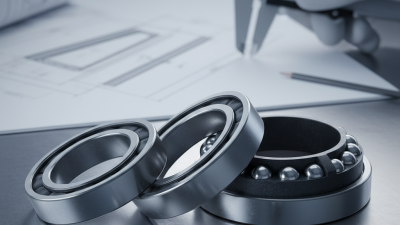
Picking the right Angle Contact Ball Bearingreally makes a difference in how well your machinery runs. Industry pro John Smith from Bearing Solutions Inc. points out, "Getting the right Angle Contact Ball Bearings is crucial for keeping things efficient." This just goes to show how important it is to really understand those specs.
A lot of folks skip over the finer details of bearing geometry and load ratings, which can be a mistake. Ignoring these tiny details might lead to early failures or longer downtimes – not great! Honestly, it can feel pretty overwhelming trying to get a grip on all this stuff, but taking the time to do your homework is definitely worth it.
When you're shopping for Angle Contact Ball Bearings, think about the load direction and what your application needs. Picking the right one helps you dodge problems and keeps things running smoothly. Remember, every choice you make here affects how well everything functions overall. It’s all part of the learning curve—looking back at what worked (and what Didn’t) can really help you make smarter decisions down the line.
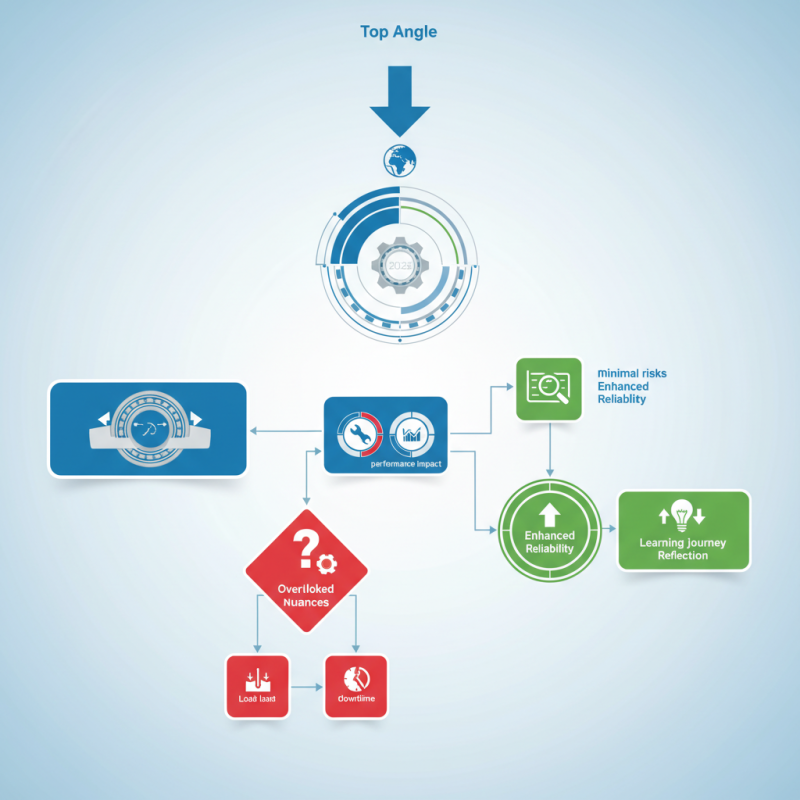
Angle contact ball bearings are critical components in various machinery. They are designed to accommodate both axial and radial loads. This dual capability allows them to excel in applications requiring precision and reliability. Often used in high-speed machinery, such as CNC machines and electric motors, they ensure smooth operation. The contact angle, typically between 15 and 40 degrees, influences their load-carrying capacity and stiffness.
Proper understanding of these bearings is essential when selecting them. Factors like load conditions, speed, and alignment play a significant role. Incorrect sizing or misalignment can lead to premature wear or failure. While angle contact ball bearings offer impressive performance, they also require careful installation and maintenance. Users must assess their specific application needs to choose the right bearing design and ensure optimal performance.
When purchasing angle contact ball bearings, several specifications are crucial for optimal performance. The bearing's load capacity is paramount. Research shows that the dynamic load rating can vary significantly among different designs. It's often in the range of 1000 N to over 200,000 N, depending on the size and configuration. Therefore, understanding the operating conditions is essential for selecting the right bearing.
Another critical specification is the contact angle itself. Common contact angles include 15°, 25°, and 40°. A larger angle typically means higher axial load capacity but compromises radial load performance. Each application may require a different balance. Furthermore, examining the lubrication type is vital. Oil and grease offer different benefits, impacting durability and efficiency.
Material composition also impacts bearing performance. Statistics indicate that steel and ceramic bearings perform differently under stress and temperature variations. Steel bearings may deform under extreme loads, while ceramics can withstand higher temperatures without failing. However, ceramic bearings can be more brittle, which poses risks in certain environments. Selecting the right installation method can also influence long-term reliability. Users often overlook these aspects, leading to premature bearing failure.
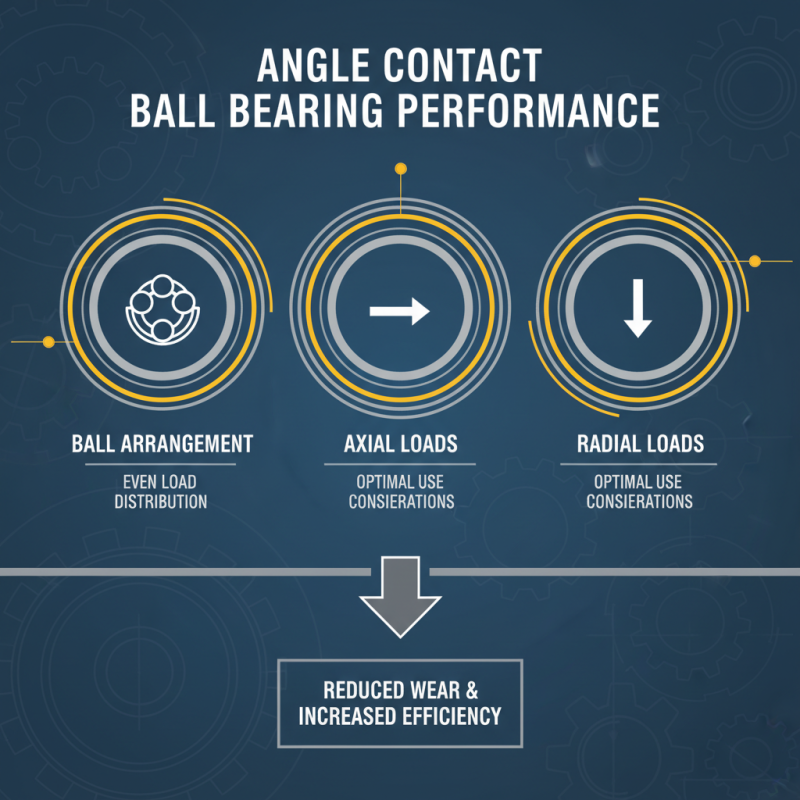
When selecting angle contact ball bearings, several key factors can significantly influence their performance. The arrangement of the balls plays a crucial role. If not placed correctly, the bearings may experience uneven load distribution. This imbalance can lead to premature wear and a decrease in efficiency. It's essential to consider how the bearings will be used, particularly the axial and radial loads they will face.
Additionally, lubrication is vital for the longevity of angle contact ball bearings. The type of lubricant can affect friction and heat generation. Insufficient lubrication can lead to overheating, which might cause failure. The operating environment also matters. Dust, moisture, and temperature fluctuations can wear down bearings faster. Regular maintenance checks can help in identifying potential problems early.
Bearing material is another influencing factor. Different materials have varying resistance to fatigue and corrosion. Choosing a material best suited to specific conditions is crucial. While some option may seem ideal at first glance, they might not hold up under all conditions. Conducting thorough research is necessary to avoid these pitfalls. Understanding these factors will lead to more informed buying decisions.
When selecting an Angular Contact Bearing Angle, it’s essential to understand the different types available. Each type has unique features and benefits. For instance, some designs allow for higher angular loads. Others are better suited for high-speed applications. Not all bearings perform equally in every situation. You should evaluate the specific needs of your machinery.
One major distinction is the contact angle. Bearings with a larger contact angle can handle higher axial loads. This makes them ideal for applications where precision is key. In contrast, a smaller contact angle offers better performance in radial loads. It's vital to match the bearing type with your design requirements. This will ensure optimal efficiency and longevity for your machinery.
However, manufacturers often provide limited data on performance under extreme conditions. This can lead to difficult choices for buyers. Factors like lubrication, installation, and environment should not be overlooked. A bearing may excel in one area but falter in another. It’s helpful to consult with experts to better understand your options before making a decision.
Angle Contact Ball Bearings are essential components in various industrial applications. These bearings are designed to handle axial and radial loads, making them ideal for high-speed machinery. According to a recent market report, the global angle contact ball bearing market is projected to grow significantly, driven by advancements in manufacturing techniques and increasing demand from the automotive and aerospace sectors.
Top manufacturers in the industry focus on precision and reliability. These companies invest heavily in R&D to enhance the performance of contact ball bearings. A study indicated that over 40% of manufacturers prioritize the use of advanced materials to improve durability and reduce friction. This focus results in better energy efficiency, contributing to prolonged lifespan and reduced operational costs.
Despite these advancements, challenges remain. Sourcing raw materials can be complex, and maintaining quality control during production is critical. Additionally, fluctuations in market demand can impact pricing strategies. Buyers must consider these factors when purchasing angle contact ball bearings. Engaging with suppliers who emphasize transparency and sustainability practices will be beneficial in the long term.
Maintaining the life of Angular Contact Ball Bearings requires attention and proper care. Studies show that regular maintenance can extend bearing life significantly. In fact, monitoring lubrication levels and keeping bearings clean can enhance performance by up to 30%.
It’s advisable to regularly check the alignment of your Angular Contact Ball Bearings. Misalignment can lead to premature wear. Additionally, replacing lubrication every six months helps reduce friction and overheating.
Always replace worn-out seals to prevent contaminants from entering. These small maintenance actions can create a substantial difference. Remember, failing to maintain your bearings leads to expensive downtime and repairs. Simple habits can add years to the life of your Angular Contact Ball Bearings. Stay diligent and prioritize maintenance for optimal performance.
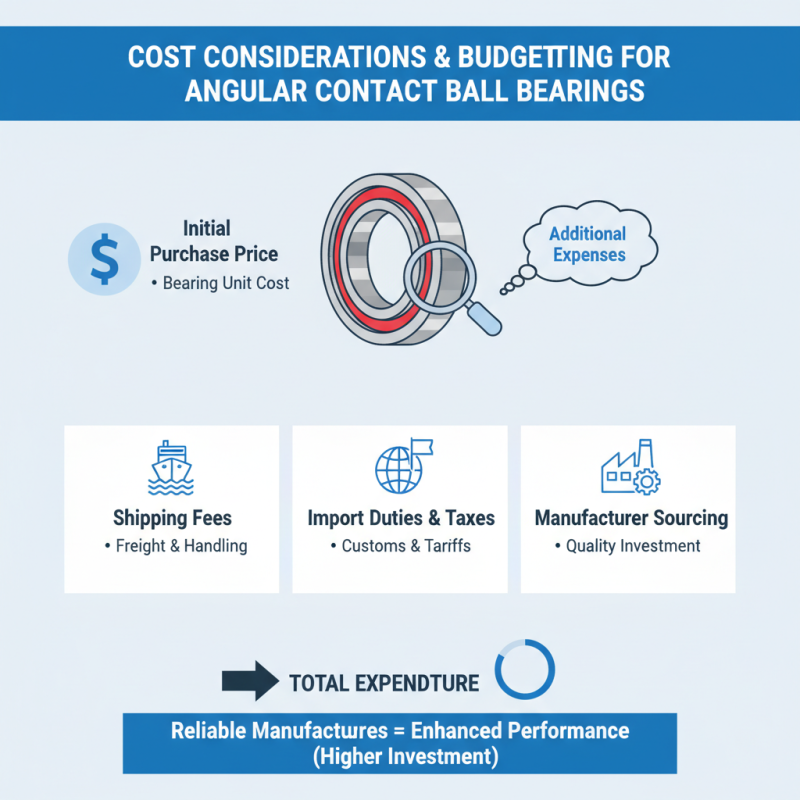
When budgeting for an Axial Angular Contact Ball Bearing, it's essential to consider various factors. The initial cost may seem straightforward, but additional expenses can quickly pile up. Shipping fees, import duties, and taxes can affect your total expenditure. Additionally, sourcing from reliable manufacturers could enhance performance but may require a higher investment.
Quality is another crucial aspect of your budget. High-quality bearings often carry a premium price. However, they tend to offer longer service life and better reliability. This means fewer replacements and reduced downtime. As a result, a slightly higher upfront cost may yield substantial savings over time.
Unexpected issues can arise during the purchasing process. It's vital to allow for some flexibility in your budget. Unforeseen shipping delays or price fluctuations can disrupt your financial planning. Keeping a contingency fund helps manage these uncertainties. Always review the specifications and requirements carefully to avoid misalignments. This thoughtfulness can prevent costly mistakes and ensure you make a well-informed purchase.
The UC Series insert ball bearings have emerged as a vital component in modern machinery, particularly in sectors requiring efficient installation and optimal alignment. These bearings feature a self-aligning design that effectively compensates for shaft deflection and misalignment, which significantly reduces the risk of premature wear. According to industry reports, misalignment is responsible for approximately 30% of bearing failures, making the UC Series an ideal solution for agricultural machinery, conveyors, and light industrial equipment where reliability is paramount.
One of the standout attributes of UC Series bearings is their installation simplicity, thanks to set screws that facilitate quick mounting without the need for additional components. This feature not only accelerates the assembly process but also minimizes downtime during maintenance. Performance data suggests that productivity can be increased by up to 25% in facilities employing such easy-to-install bearings, translating into substantial cost savings.
Moreover, UC Series bearings are designed to handle high load capacities, ensuring their robustness in heavy-duty applications. With the option for corrosion-resistant surface treatments, these bearings are well-suited for harsh environments characterized by high humidity or contamination. Studies indicate that equipment longevity can be enhanced by 15-20% when utilizing bearings with superior anti-corrosion capabilities, reinforcing the UC Series as a cost-effective choice for modern machinery ensuring both reliability and efficiency.
: Key factors include ball arrangement, loading conditions, lubrication, material, and environmental factors.
Correct ball arrangement is crucial. Improper placement can lead to uneven load distribution and early wear.
Lubrication reduces friction and heat. Insufficient lubrication might cause overheating and failure of the bearings.
Dust, moisture, and temperature fluctuations can accelerate bearing wear and reduce lifespan.
Different materials have varying fatigue and corrosion resistance. Choosing the right material is vital for specific conditions.
Evaluate your machinery's specific needs, such as load types and operational speed for optimal selection.
A larger contact angle allows for higher axial loads, while a smaller angle is better for radial loads.
It may lead to poor choices if extreme condition performances are not well understood or documented.
Regular checks can identify potential problems early, preventing costly failures and prolonging bearing life.
Yes, expert advice can help clarify options, ensuring better-informed decisions tailored to specific applications.
Angle Contact Ball Bearings are crucial components in various industrial applications, providing support under both radial and axial loads. Understanding their design and functionality is essential for selecting the right type for your needs. When purchasing, consider key specifications such as load capacity, operating speed, and bearing material. Factors influencing performance include lubrication, alignment, and environmental conditions, which can significantly affect the lifespan and efficiency of the bearings.
In addition to comparing different types and their suitability for specific applications, it's important to be aware of maintenance practices that can prolong the life of your Angle Contact Ball Bearings. Regular inspection, cleaning, and proper lubrication are vital. Finally, budgeting for these components requires careful consideration of quality versus cost, ensuring that you invest in bearings that meet the demands of your applications without compromising performance.